

Yes, all modern manufactured homes from Clayton include a standard one-year limited warranty. Your home consultant and closing documents can help outline what’s covered and the process for submitting a service ticket.
By Jenny C.May 15, 20267 min read

Becoming the owner of a new construction home is a big step. It also comes with a lot of information to take in and options to consider, including details about home warranties and service agreements.
If this is your first time buying a brand new home, or your first time going through the process in a while, these details may feel unfamiliar. Warranties, manuals, and service documents are important, but they can easily get lost in the stacks of paperwork after closing on your home.
Getting oriented early in the process can help make maintaining your home over time easier. In this guide, we’ll walk through how warranties for new homes usually work, what they typically cover, and what to expect if service is needed.
Although warranty coverage, timelines, and features can vary by home, builder, and location, you don’t need to memorize the fine print. But you will need to review your purchase documents for important information and details, so you can maintain your home properly from day one. Also, because many warranty items are time-sensitive, consider reviewing your coverage early to help ensure you don’t miss applicable deadlines.

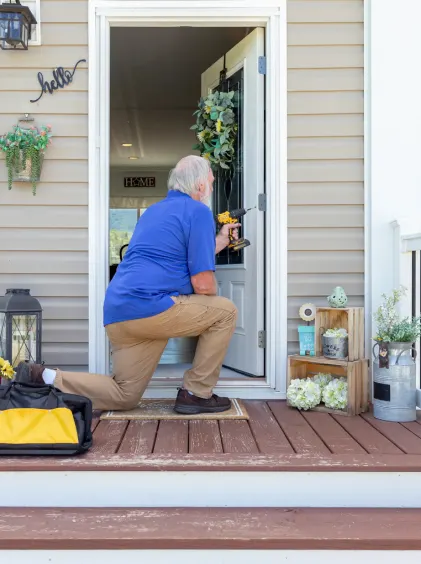

A home warranty is a form of protection included with many new build homes. It outlines what the builder or manufacturer is responsible for repairing or correcting after a home is completed and set up.
Many warranties cover specific aspects of the home building process, like how well materials were installed and whether the home was built to applicable codes and standards. This is different from homeowners insurance, which helps cover damage caused by certain events, like storms, fires, or theft.
Warranty coverage applies for a set period of time, often the first year of living in your home. Extended warranties, when offered, tend to focus on additional specific systems or structural details not included in your initial warranty.
Exact details vary by builder or manufacturer, but the purpose of warranties is consistent. They’re meant to give owners of new construction homes peace of mind, with a defined way to address certain concerns that may come up.
Most warranties for new build homes focus on supporting homeowners with specific home repair and maintenance needs as they move in and get settled. What’s covered can change with time, so it’s helpful to know what is covered and when.
For many new construction homes, the first year of homeownership includes the most comprehensive warranty coverage. During this time, coverage focuses on how the home was built, rather than on items tied to regular home maintenance.
In general, these warranties focus on:
Any defects in the home's materials
Workmanship, or how those materials were installed
If the home met applicable building codes and standards when it was built
With a one-year limited warranty, homeowners have time to notice details that may not stand out right away. For example, you might notice a cabinet door that needs a small adjustment, trim that settles, or other finish details that are easier to spot after move-in.
For new modern manufactured homes, Clayton’s standard one-year limited warranty generally covers the above items as well as core home systems, like plumbing, heating, and electrical. Site-built homes from Clayton builders also typically include limited warranties, with coverage and timelines set by the builder. Reviewing your closing documents and homeowner manual can help clarify what’s included for your specific home.
After the first year, any remaining warranty coverage usually becomes more limited and specific. That could look like:
Two-year limited warranties on major systems, like plumbing, electrical, or HVAC
Four-year limited warranties that apply to certain exterior items, like roof repairs
Multi-year limited warranties that focus only on permanent structural defects
Because coverage is often time-specific, the initial coverage period is an important part of understanding what your warranty includes and how it works. Getting familiar with these details early helps set clear expectations for what support may be available later on.
Before your home’s warranty ends, there may still be options to extend or add coverage. For example, some Clayton customers choose to purchase an extended warranty through a provider of their choice.

Home warranties usually focus on specific parts or systems in a new home. While it’s important to know what’s covered by your warranty, understanding what falls outside of your coverage can help you prioritize certain home maintenance responsibilities or identify any additional protections you might need.
Things typically not covered by a home warranty include:
Normal wear and tear that happens with everyday use over time
Maintenance-related issues, including preventative steps covered by routine care
Changes made after move-in, especially homeowner additions or alterations
Damage caused by misuse, accidents, or external events rather than construction or setup
Items covered under separate manufacturer warranties, which often includes appliances and other equipment
Conditions that develop after the home is completed, or issues that weren’t present at the time of construction
Not every builder or manufacturer handles these situations the same way. For example, cosmetic damage or imperfections may not be included under Clayton’s one-year limited warranty. However, if written notice is provided within the first 30 days after moving-in, those items may be eligible for repair.
Taking the time to review your homeowner manual and warranty materials can help you make the most of the support available to you. And if you have questions as you review the information, a Clayton home consultant can help explain the details and point you in the right direction.
This is one of the most common areas of confusion for new homeowners, and it’s easy to see why. Appliances are part of the home, but they’re often covered separately from the home itself.
Many appliances in new construction homes — like refrigerators, ranges, dishwashers, or washers and dryers — come with manufacturer warranties. These warranties are typically provided by the appliance maker and are separate from your home warranty. In most cases, these warranties require you to register the appliance directly with the manufacturer, often within 30 to 60 days of installation or purchase.
Registering with the manufacturer helps ensure:
Your coverage is active if a repair is needed
You know exactly who to contact for service
You have clear documentation if ownership of the home changes
Manufacturer warranties cover problems with the appliance itself. If an issue is related to the home building process, that’s when a home warranty may apply. For example, Clayton’s one-year limited warranty covers appliances when the concern is tied to how the appliance was installed in the home.
Together, these warranties support different parts of your home. Understanding how they’re handled separately can help you know where to turn when questions come up.

If something doesn’t seem right after you move in, it’s a good idea to speak up early. Many items are easier to address when they’re caught sooner, and most home warranties include specific time frames for different types of coverage.
While details can vary between builders, the process typically looks like this:
Before anything else, it helps to know what coverage applies to your specific home. Your closing documents and warranty materials should explain what’s included, how long coverage lasts, and where to turn if something needs attention.
Ask your home consultant for this information. For Clayton modern manufactured homeowners, this information can also be found on the home warranty card in your homeowner manual. It includes details about your home that are needed for service requests.
In many cases, warranty or service questions start with the builder or location that helped you purchase your home. For Clayton homeowners, that usually means contacting your local Clayton team.
A home consultant can help talk through the concern, help determine whether it may fall under warranty coverage, and identify next steps. When appropriate, they can also help submit a written repair request to the builder on your behalf.
Sharing clear details helps everyone stay on the same page. Let the team know what you’re noticing, when it started, and where it’s happening in your home.
Photos, notes, or examples can be helpful. The more context you can share upfront, the easier it is for the service team to understand the situation and help move things forward.
Some repairs are handled through your home’s warranty. Others, like appliance-related issues, are covered by manufacturer warranties. In those cases, you’ll contact the appliance manufacturer directly using the information in your homeowner packet. The team assisting you can help clarify who to contact and what to expect next.
As you get settled into your home, you’ll naturally learn more about its features and systems. A clear warranty and service process makes it easier to know where to get support if questions come up.
Questions about warranties and services are a normal part of getting comfortable in a new home. Taking time to review your documents, register appliance warranties, and raise concerns early keeps things simple and on track.
If you need more guidance along the way, Clayton is here as a resource. You can reach out to us, and Learning & support offers information to help you throughout homeownership, not just on move-in day. Welcome home!
This content is provided for educational purposes only and is not intended as financial, credit, or lending advice. Clayton Homes does not offer or originate mortgage loans and does not make credit decisions. Financing terms, loan programs, rates, and eligibility requirements vary by lender and may depend on buyer qualifications, property type, and location. Buyers should consult a licensed lender of their choice for information regarding available financing options.
CrossMod® is a registered trademark of the Manufactured Housing Institute.
Yes, all modern manufactured homes from Clayton include a standard one-year limited warranty. Your home consultant and closing documents can help outline what’s covered and the process for submitting a service ticket.
Start by locating your closing documents and looking for your warranty information or warranty card. This paperwork includes important details about your home’s one-year limited warranty.
Next, contact the Clayton location where you originally purchased your home. Your home consultant can explain the process and help you submit a repair request, if needed.
