No, you can shop for your home before owning land. You only need to shop for land if you are building your home — move-in ready and neighborhood homes already come with land. A home consultant can also help you determine if you need land and explore properties that fit your budget and timeline. Visit our Learning & support center to read more about land preparation for modern manufactured homes.
How to find the home that’s right for you
Our homes
By Jenny C.May 15, 20269 min read


Learn how to prioritize what matters in a new home to you, explore options and know when it's the right fit with this straightforward guide on finding a home.
Finding a new home is about more than choosing a layout and location. It’s about finding a space that fits your life, your routines, and your future plans.
Before you start looking, it helps to be clear about your priorities. That’s true whether this is your first time house hunting or your first time in a long time. Thinking through what you need and where you can be flexible helps you focus your search and keep home buying decisions easier to navigate.
Key takeaways:
Answering a few key questions upfront helps you narrow options and reduce second-guessing later.
There are multiple ways to find a new home, and the right path depends on your timeline, your location, and your preferences in design, upgrade options, and layouts.
Using online tools alongside in-person tours will make it easier to recognize the right fit.
To help you get started, we’ve outlined five questions to ask yourself when starting your home search. How you respond can help clarify which types of homes you may want to prioritize. From there, we’ll show you how to begin identifying homes to tour. With this guide, you’ll be prepared to search for and identify homes that are the best fit for you.
Questions to ask yourself before house hunting
A little preparation goes a long way when you’re hunting for a house. These questions help you organize what matters to you and set the direction for your search. You don’t need final answers yet. You just need to know where to start.
1. Where do you want to live?
Like many buyers, you might have a general location already in mind. It could be near family, on a piece of land you love, or somewhere that feels like a fresh start. From there, it helps to think about:
How close do you want to live to work, family, grocery stores, healthcare, or schools? Do you want to live on private land or in a neighborhood community?
Could zoning, land use restrictions, or neighborhood guidelines affect your plans?
How much space or privacy do you want around your home?
There isn’t a single right answer. The goal is to choose a location that supports how you want to live, today and in the future.
2. How much space do you need?
Start with what feels comfortable for your life today. Then, think about how flexible you want to be down the road.
As you narrow it down, consider:
Are you downsizing, upsizing, or looking for a specific amount of space?
How many bedrooms and bathrooms do you need? Could that change?
Do you prefer an open layout, or more defined rooms?
Would multi-story living make life easier, or do you have accessibility needs?
How important is having extra space for guests or hobbies, like crafting or fitness?
Do you need storage for work, hobbies, or seasonal items?
Layout matters just as much as square footage. A thoughtful floor plan can make a home feel more comfortable and functional.

3. What features feel important?
The features people value tend to reflect how they live day to day. Thinking through the spaces you use most in your home now can help bring your priorities into focus.
Try making a list of features that are needs versus nice-to-haves. Consider:
Do outdoor spaces, like a porch, patio, or yard matter to you?
Do you need a dedicated home office or workspace?
What kitchen features would make cooking and gathering easier?
Is a lower maintenance home a priority for you?
Do you prefer a split bedroom floorplan for more privacy?
Energy-efficient features and modern building standards may also factor into your decision. Both tend to play a role for buyers comparing new build homes, in particular.
4. When do you want to move?
Different home types usually come with different timelines. That’s especially true for new construction homes.
New construction site-built homes typically take six months or more to build from start to finish. In comparison, other options, like modern manufactured homes, can be built more quickly in many cases, but require additional considerations to factor into your timeline.
Having a general sense of timing can help you narrow your options. Start by thinking about:
Are you hoping to move soon or are you planning further ahead?
How much flexibility do you need in your timeline?
Does your financing timeline affect when you can move?
Are life changes influencing your timing, like retirement, a job change, or a growing household?
Do you need to coordinate your move with a lease, home sale, or other housing commitment?
Having an estimated timeframe in mind will guide your search while still leaving room to adjust along the way. Considering a move-in ready home can help you act fast on a short move-in timeline.
5. What do you want to spend each month?
When budgeting to buy a home, it helps to think in terms of monthly comfort. For most buyers, that means looking beyond the purchase price to focus on a home’s estimated monthly mortgage payment.
An online mortgage calculator can help you estimate a monthly payment range that fits your budget. As you determine your comfort range, ask yourself:
What monthly payment amount keeps other expenses feeling manageable?
How does that number compare to what you’re paying for housing today?
What ongoing costs (utilities, home insurance, etc.) should you plan for?
What monthly payment amount would still feel comfortable if other expenses increased?
Online mortgage calculators are helpful tools that can provide estimates of monthly mortgage payments, but they may not include all costs associated with purchasing or owning a home. However, this step is about setting expectations, not locking in numbers. Having a general range of affordable monthly housing costs for your budget can help guide your decision-making with greater confidence and fewer surprises.
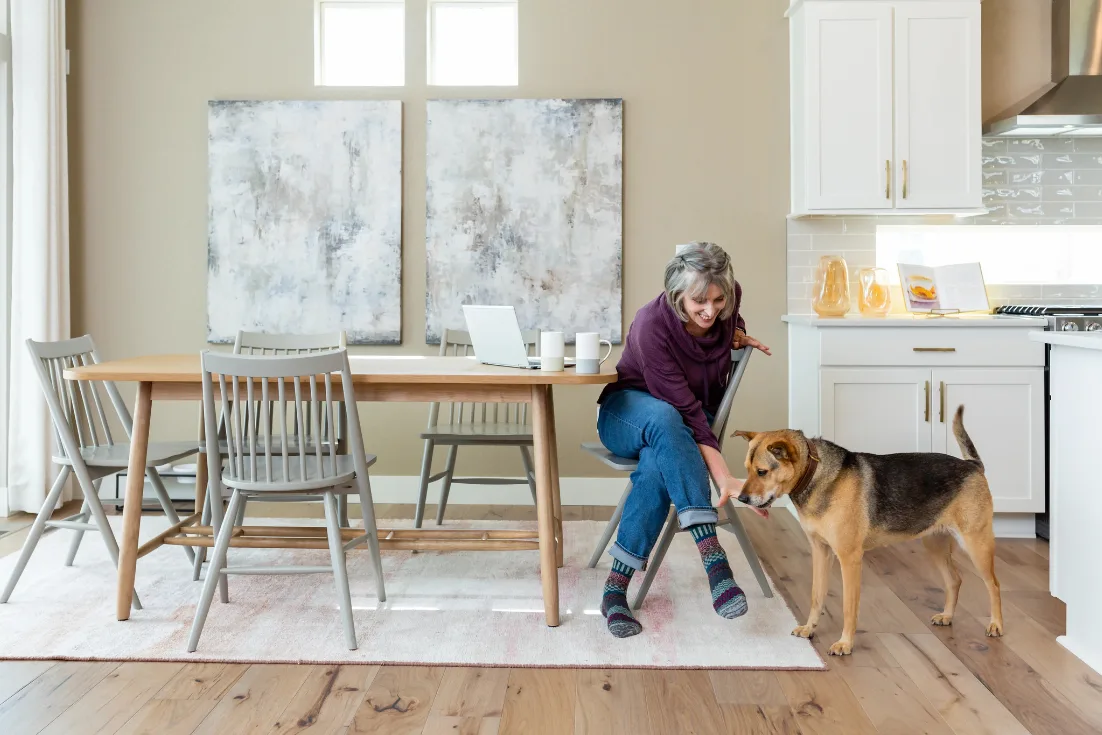
Understanding your home buying options
Once you’ve clarified your priorities, it’s time to think through how you want to approach home buying. Most buyers in the market for a new home follow one of two common paths. Both have advantages, and each supports different timelines, locations, and goals.
Option 1: Buying a new home that’s already complete.
This path often appeals to buyers who want to see a finished home before making a decision. With home and land purchases, you can walk through the space, see the layout and features up close, and compare options more easily.
This approach usually includes:
Choosing whether you want to look at available homes on private land or in neighborhood communities
Touring a finished home to judge layout, flow, and natural light
Getting a sense of a home’s scale and space
Noting what features and upgrades are already included
This path is often preferred by buyers who want to move sooner or who value seeing the full picture early on. The trade-off to buying a move-in ready home is that you may have less design and customization options since the house is already built. But with the home already in place, it’s easier to focus on how it looks, feels, and functions.
Seeing the home on its land or within its neighborhood location can also add context. It helps you understand how the space fits with its surroundings and whether the setting feels right for your day-to-day life.
As another option, it may also be possible to buy a pre-built modern manufactured home that’s ready for placement on private land. You can consult your local home center to determine what options are available to you.

Option 2: Building and personalizing a new home.
This path to buying a home often makes sense if you want a home for private land or have time to customize a new home not yet built in a neighborhood. It lets you start with where you want to live, then select a home designed to fit that setting.
Often, this approach includes:
Exploring available floor plans and neighborhoods that fit your needs
Choosing home customization options and add-ons, if applicable
Preparing your land so it’s ready for construction and home placement or picking a specific lot within a new build neighborhood
Building a house also gives you several ways to shape how your home comes together:
Traditional site-built homes are an option for buyers who have more flexibility for longer timelines.
Modern manufactured homes follow a more streamlined construction process. Because they’re built indoors, timelines are generally more predictable and costs are oftentimes more attainable than other home types.
CrossMod® homes sit between these options, pairing modern manufactured efficiency with certain features typical of site-built homes.
What is the best way to find a new home?
Once you know your priorities and understand the main options for new home construction, you’re ready to start exploring homes. For most buyers, that means starting online, asking questions along the way, and seeing homes in person when the time feels right.
Narrowing your options online
Online home search tools make it easy and accessible for you to explore options at your own pace. On Clayton’s website, for example, you can apply filters that let you sort homes based on what matters to you. As you browse, try:
Filtering homes by location, price range, and size
Taking virtual tours of homes that match your filters
Comparing floor plans, layout options, and key features
Saving homes you want to revisit and discussing them with your household
At this stage, you may be noticing which homes align with your priorities and which don’t. The more homes you browse, the more patterns can emerge around what feels like a good fit.
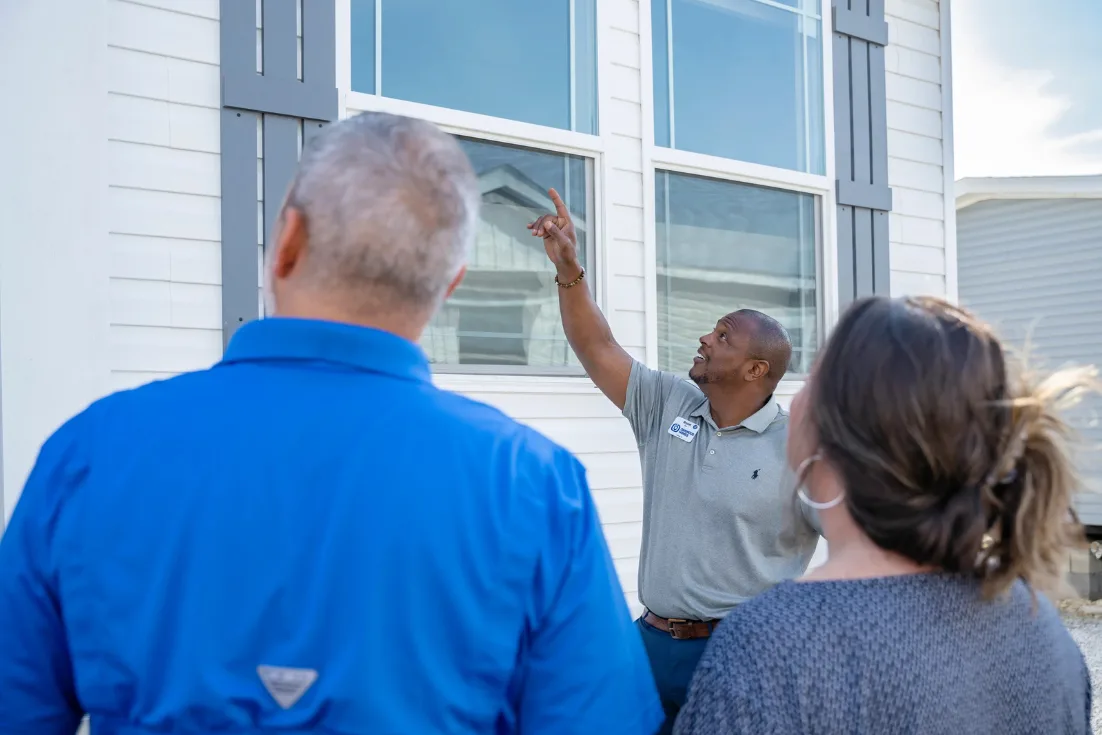
Knowing when to ask questions
As you narrow your list, questions may naturally come up. Reaching out for more information can help keep you moving forward with confidence.
It may be a good time to ask questions when:
You want more details about a specific home or floor plan
You’re curious about what’s included or what options may be available
You’re comparing a few homes and want help thinking through the differences
Reaching out might look like submitting an online interest form, calling a builder or listing agent, or speaking with a local home consultant. These conversations are simply a way to learn more. They give you a chance to ask questions and understand what next steps could look like.
Taking the next step: Planning an in-person visit
For many buyers, seeing and touring homes in person brings everything into focus. Once you’re inside, it’s easier to understand how a home comes together and how it might support your day-to-day life.
There are a few ways to see homes in person, depending on what options you’re exploring. That might mean touring a home listed on land, visiting a model home in a neighborhood, or walking through homes at a Clayton Homes location.
If you choose to visit a Clayton location or neighborhood office, you can:
Tour multiple homes in one visit to compare styles and floor plans
Notice details that are hard to judge online, like natural light, finishes, textures, and how rooms connect
Picture how your furniture and routines might work within the home’s footprint
Ask a home consultant questions in real time while you’re walking through the home
Your home consultant can help explain features, available upgrades, and energy-efficient options specific to each home. They can also point you to educational resources and preview each step of the home buying process, so you can begin the initial steps towards homeownership.
Opening the door to your right fit
Finding a new home that fits your life rarely happens all at once or with the first home you see. It comes from understanding what matters to you, exploring your options thoughtfully, and seeing how different homes feel in person. Over time, those pieces come together and help clarify what feels like the right fit.
If you’d like to keep exploring, browsing available homes online is a helpful place to start. Seeing what’s out there can help you narrow your options and take the first steps toward finding your home.
This content is provided for educational purposes only and is not intended as financial, credit, or lending advice. Clayton Homes does not offer or originate mortgage loans and does not make credit decisions. Financing terms, loan programs, rates, and eligibility requirements vary by lender and may depend on buyer qualifications, property type, and location. Buyers should consult a licensed lender of their choice for information regarding available financing options.
CrossMod® is a registered trademark of the Manufactured Housing Institute.
Both options work well for different needs. What’s best for you usually depends on your timeline and what you’re looking for in a home.
Building a home on private land: If you own land or are buying land, you can explore floor plans to have a modern manufactured home built for you. This gives you more input on your home’s design options, layout, and placement. Shop floor plans
Buying a home already on land: If you prefer a quicker timeline, you can explore move-in ready homes on private land or in neighborhoods where site preparation is already complete. You have fewer decisions to make and can choose a home ready for you. Shop move-in ready homes
If you already own land, the home that works best depends on zoning, local building codes, and your priorities. Modern manufactured and CrossMod®, and site-built homes can be placed on suitable private land, depending on local requirements.